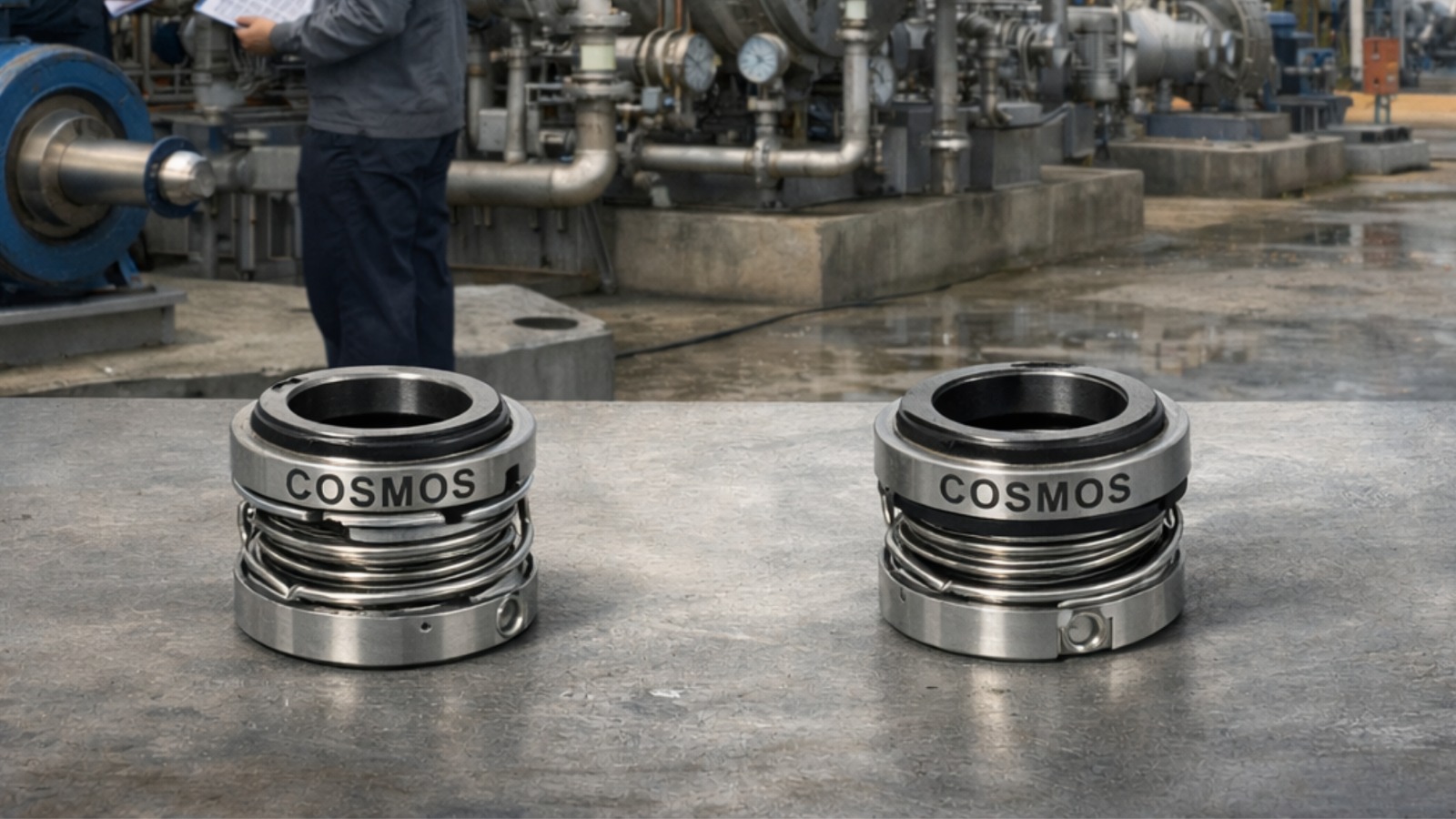

Introduction: Sealing Requirements in Material Handling Systems
Modern factories, warehouses, distribution centers, ports, and logistics facilities depend heavily on Material Handling Industries. Equipment such as conveyors, transfer pumps, mixers, hydraulic units, and bulk handling machinery operate continuously to move liquids, slurries, lubricants, chemicals, and processing fluids. In these systems, mechanical seals play a crucial role in preventing leakage and ensuring safe equipment operation.
Because material handling equipment often runs for long hours with minimal stoppage, sealing reliability directly affects operational efficiency. A small leak in a transfer pump or processing line can stop an entire production line, damage nearby components, and create safety hazards for workers. For this reason, industries are actively looking for dependable Material Handling Industries who can supply durable and application-specific sealing solutions.
Unlike general industrial applications, material handling operations involve frequent start-stop cycles, fluctuating loads, and continuous movement. These factors make proper seal selection extremely important for preventing downtime and maintaining productivity.
Why Mechanical Seals Are Important in Material Handling Equipment
Material handling equipment relies on pumps, gearboxes, hydraulic systems, and rotating shafts. Whenever a shaft rotates and fluid must remain contained, a sealing solution becomes necessary. Mechanical seals are designed to maintain a controlled interface between rotating and stationary components while preventing fluid escape.
In conveyor lubrication systems, seals prevent oil leakage and protect bearings from contamination. In slurry transfer pumps, seals stop abrasive media from damaging surrounding components. In hydraulic systems, seals maintain pressure stability and prevent fluid loss.
If the sealing system fails, several operational problems occur. Equipment efficiency drops, maintenance increases, and surrounding machinery may get contaminated. Leakage also creates slipping hazards in warehouses and industrial plants. Therefore, selecting the right industrial mechanical seals is not just a maintenance decision but an operational requirement.
Common Material Handling Applications Using Mechanical Seals
Material handling industries include a wide variety of processes, and each application places unique demands on sealing systems.
Bulk material handling plants use transfer pumps to move liquids, chemicals, and additives. These pumps require durable pump mechanical seals capable of handling continuous operation. Conveyor lubrication systems rely on seals to maintain oil containment and protect mechanical components.
Food processing warehouses and packaging plants use washing systems and transfer equipment where hygienic sealing is important. Ports and mining operations often handle abrasive slurry materials, which require heavy-duty sealing arrangements. Chemical storage and transfer stations depend on corrosion-resistant seals to prevent hazardous leakage.
Because operating environments differ significantly, manufacturers must understand application conditions before recommending a sealing design. A generic seal rarely performs reliably in material handling operations.
Types of Mechanical Seals Used in Material Handling
Different types of seals are used depending on equipment and operating conditions.
Single spring mechanical seals are commonly used for general transfer pumps where operating conditions are moderate and stable. They are simple, economical, and suitable for many standard industrial systems.
Multi-spring mechanical seals offer better stability and are preferred in higher speed rotating equipment where vibration control is important.
Cartridge mechanical seals are increasingly popular in material handling plants because they are easy to install and reduce maintenance errors. Since they are pre-assembled, they minimise downtime during replacement.
For abrasive or corrosive environments, metal bellows mechanical seals provide improved resistance to chemicals and eliminate elastomer failure. Agitator and mixer seals are used in blending tanks where shafts experience movement and varying load conditions.
Challenges Faced in Material Handling Environments
Material handling environments present unique challenges compared to typical industrial machinery. Equipment often operates in dusty surroundings, temperature variations, and high vibration conditions. In many plants, machinery runs continuously in shifts, leaving little time for maintenance.
Abrasive particles present in powders or slurry systems can damage seal faces and reduce seal life. Frequent start-stop cycles generate heat at the sealing interface, causing wear and leakage. Improper alignment or shaft runout further accelerates seal failure.
Another major issue is improper seal selection. Many failures occur because seals are chosen based on price or availability instead of application requirements. Working with experienced mechanical seal manufacturers helps industries avoid these problems by recommending correct designs and materials.
How to Choose the Right Mechanical Seal Manufacturer
Selecting the right manufacturer is as important as selecting the seal itself. A reliable manufacturer provides technical consultation rather than simply supplying products.
Buyers should evaluate whether the manufacturer understands operating pressure, temperature, fluid type, and equipment configuration. The ability to customise seals for conveyors, pumps, and heavy machinery is a strong indicator of expertise.
Manufacturers with in-house production and quality control ensure consistent product performance. Availability of technical support, installation guidance, and troubleshooting assistance further improves long-term reliability.
Choosing an experienced supplier ensures that the sealing solution matches real operating conditions rather than generic specifications.
Maintenance and Performance Considerations
Proper maintenance significantly improves seal life in material handling operations. Clean lubrication, correct alignment, and monitoring of vibration levels help maintain sealing performance.
Routine inspection should include checking leakage, temperature rise, and unusual noise near the sealing area. Support systems such as flushing or cooling arrangements must also function correctly.
Preventive maintenance reduces emergency breakdowns and allows seals to achieve their expected service life. A properly selected and maintained seal reduces operational interruptions and improves equipment reliability.
Conclusion
Material handling industries depend on continuous operation, and even small equipment failures can cause significant production loss. Mechanical seals are essential components that protect pumps, conveyors, and rotating equipment from leakage and contamination.
Working with reliable mechanical seal manufacturers in material handling industries ensures correct seal selection, improved equipment performance, and reduced downtime. Choosing the right sealing partner helps industries maintain safe operations, control maintenance costs, and achieve long-term operational stability.
If you are looking for dependable sealing solutions for your facility, Cosmos Seals provides engineered mechanical seals designed for real operating conditions and industrial reliability.
📞 Call us at +91 9769133001
📧 Email info@cosmosseals.com
🌐 Visit www.cosmosseals.com
Frequently Asked Questions
Q1: Where are mechanical seals used in material handling industries?
A1: They are used in pumps, conveyors, lubrication systems, mixers, and hydraulic equipment to prevent fluid leakage and contamination.
Q2: Why do seals fail frequently in material handling systems?
A2: Seal failures usually occur due to abrasive dust, vibration, misalignment, or incorrect seal selection.
Q3: Are cartridge mechanical seals suitable for conveyor and transfer pumps?
A3: Yes, cartridge seals are commonly used because they are easy to install and reduce maintenance downtime.
Q4: How often should mechanical seals be inspected?
A4: Regular inspection during maintenance cycles is recommended to detect leakage or wear before failure occurs.